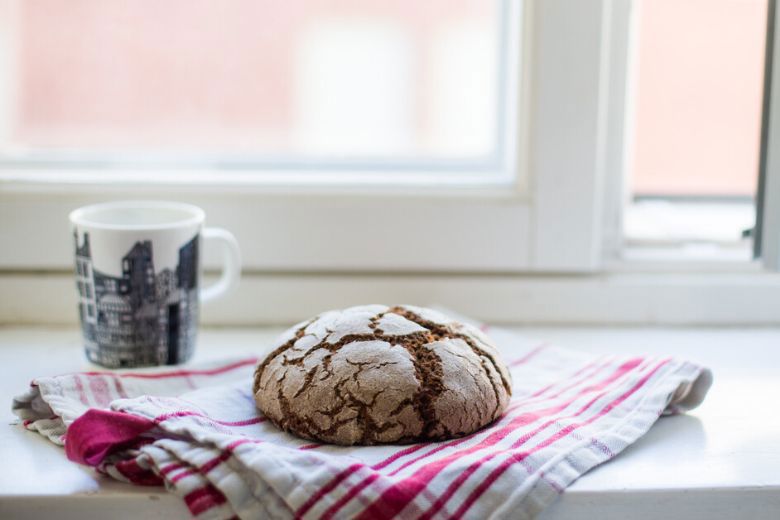
As fresh bread bakers, we are advocates for healthy food and an active lifestyle. We work to promote well-being extensively throughout the bread value chain. With our products, we want to support the overall well-being of bread eaters, which includes many everyday choices – the balance of exercise, healthy eating, rest and enjoyment. The well-being and lifehood of other people in the value chain, such as farmers and our partners, is also important to us.
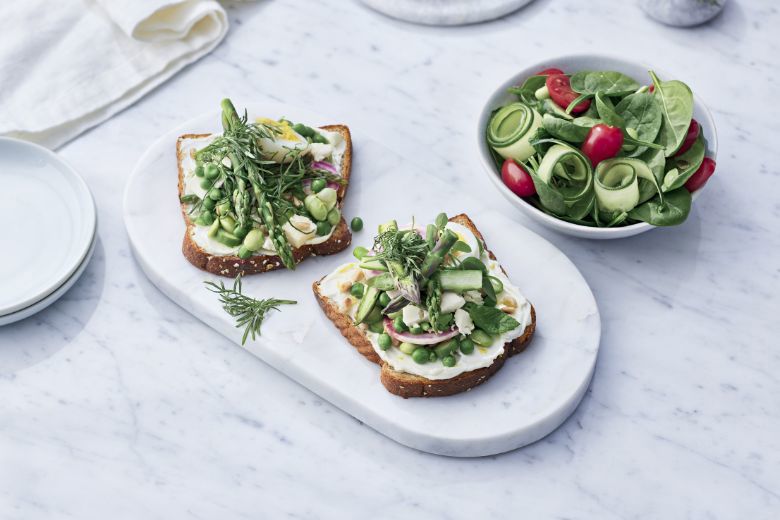
Healthiness of products
Aiming for fibre and whole grain intake in accordance with the recommendations
Bread is a plant-based and health-friendly choice, which, especially when whole grain, contains fiber and many beneficial nutrients, such as vitamins, minerals and plant-based protein. For us, assessing the healthiness of products is always part of product development.
In Finland, the recommended daily intake of fibre is 25–35 grams*, and on average, a third of it comes from bread, especially rye bread. That's why it's important for us to defend the role of high-fibre bread in a healthy diet.
Since treats also have their place as part of a good everyday life and celebrations, our selection also includes Street Food products. We have set nutritional targets for these as well, for example, for fibre content.
Even though Finns are a true rye bread nation due to their rich bread culture, and rye bread contains a relatively large amount of whole grains and fibre, we as a nation do not actually eat whole grains in accordance with nutritional recommendations. Many people don't think about the fact that in addition to rye and oat bread, wheat bread can also be a good source of fibre if it is baked from whole wheat.
Many reasons to choose whole grain
The Finnish Nutrition Recommendations, published in autumn 2024, included a recommended intake for whole grains for the first time: adults are advised to consume at least 90 grams of whole grain products per day. According to the recommendations, increasing whole grain consumption is supported by its benefits for both health and environmental sustainability. Rich in dietary fibre, whole grains promote gut health and provide essential vitamins and minerals. In fact, insufficient whole grain intake is the single dietary risk factor associated with the greatest loss of healthy life years.¹
Whole grains are also a valuable source of protein. Grain-based foods are an important part of the Finnish diet, providing more than one fifth (22%) of all dietary protein consumed by Finns.²
Whole grains also have a lower climate impact than refined white flour. Since the entire grain kernel is utilised, fewer grains are needed to produce the same amount of bread.
Our goal is that by 2030, 65% of the products we sell will be whole grain products, meaning that more than 50% of their grain ingredients consist of whole grains. In 2025, whole grain products accounted for 60% of our bread sales.
1) https://www.thelancet.com/article/S0140-6736(19)30041-8/fulltext
2) Finravinto 2017 -tutkimus, täysjyvän saanti Suomen aikuisväestössä
Careful with salt
A large number of Finns get too much salt from their diet compared to the recommendations. Our goal is to gradually reduce the salt content of our breads by 10% by 2030 compared to the 2019 baseline. However, salt is one of the baker's most important ingredients, and the amount used in bread affects many aspects of the product. In addition to enhancing flavour, salt influences the baking properties, texture and shelf life of bread.
Most of our breads contain a standard level of salt (maximum 1.1 g of salt per 100 g), and in 2025 the average salt content of our breads was 1.03 g/100 g.
Our range also includes lower-salt options, such as Vaasan Piimälimppu (0.9 g/100 g) and Vaasan Kaurasydän (0.9 g/100 g).
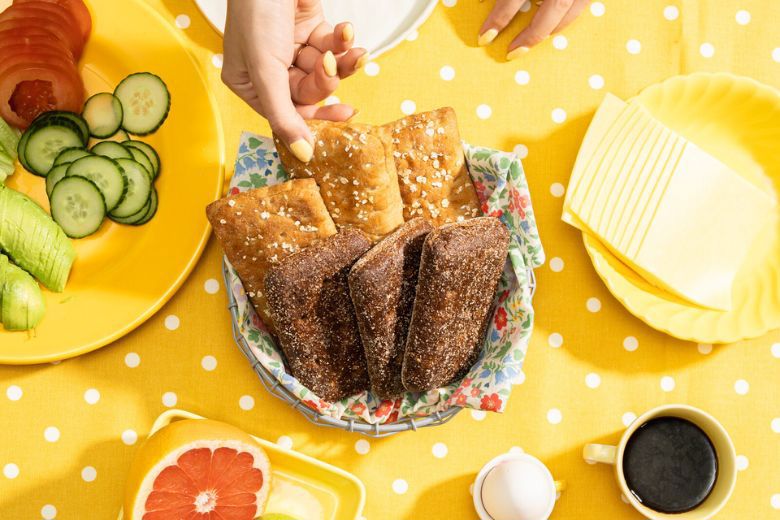
Responsible sourcing and domesticity
We source most of the raw materials and services we need from Finland from our long-term partners. However, not all of the raw materials we need are manufactured in Finland, which is why we also have an international supplier network in Europe and outside Europe, whose operations are regularly evaluated through audits, surveys and continuous dialogue. We are aware of the higher human rights and environmental risks associated with certain countries of origin and raw materials, and we are constantly developing our sourcing process to manage these risks. Lantmännen Unibake's Supplier Code of Conduct sets expectations for our own partners, and we regularly monitor their fulfilment.
Domesticity and origin of raw materials
It is important to us that all the bread we bake in Finland is baked from domestic flour whenever possible, and we have made a commitment to be domestic for rye and oats. However, not all ingredients for bread are available in Finland. Of the raw materials of the fresh breads baked in the Vaasan brand's Finland, 95% of the volume is of Finnish origin. Bakeries in Estonia and Lithuania also bake mainly from local ingredients.
The future of domestic farming is a common concern
Farmers are a particularly important stakeholder for us, and we are concerned about the future of domestic grain if the younger generations do not see farming as a meaningful livelihood that secures their livelihoods. We want to do our part in supporting and encouraging farmers and increasing the attractiveness of the sector.
Building a bread culture
We have a long history as a Finnish baker, and we want to build a rich Finnish bread culture far into the future. Vaasan is closely involved in the everyday life of Finns, as according to the Finnish Bread Information, about 40 kilograms of bread is eaten in Finland per year for every Finn*. However, the role of bread in the Finnish diet is challenged by many trends in modern consumption, such as convenience, quick eating and snacks that can be eaten on the go.
Our task is to remind people that bread is an excellent and easy breakfast, snack or evening snack, which promotes well-being, especially when made of whole grain. It is also easy to build an entire meal on fibre-rich bread.
We want to ensure that bread remains relevant in the future. That is why we have developed a new range of plant-based Hummis spreads together with Baba Foods. In addition to increasing whole grain intake, the Finnish Nutrition Recommendations encourage people to include more legumes in their diet. The chickpea-based Hummis spreads offer an easy and delicious way to do so. Launched in early 2026, the Hummis spreads have been specifically developed to pair with Vaasan Ruispalat and Vaasan 100% Kaura.